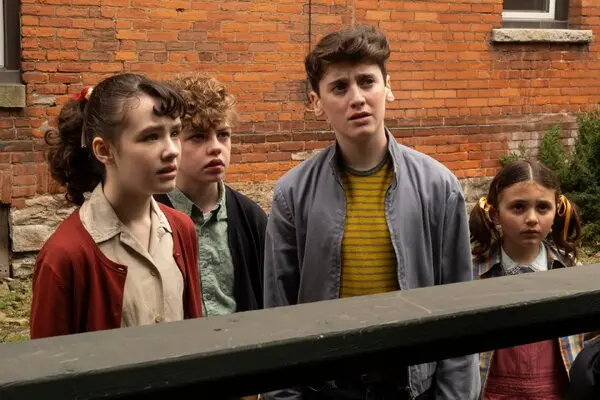

Nestled in the shadowy heart of Maine, Derry breathes unease. “IT: Welcome to Derry” slithered onto HBO on October 26, 2025, promising more than cheap scares. This prequel to Stephen King’s infamous “IT” novels and films set its roots deep in 1962, long before the Losers Club first drew blood. And, as the town’s secrets unspool week by week, critics and fans can’t seem to look away — or decide, as of yet, if the monster lurking below is truly captivating or just an overgrown circus act.
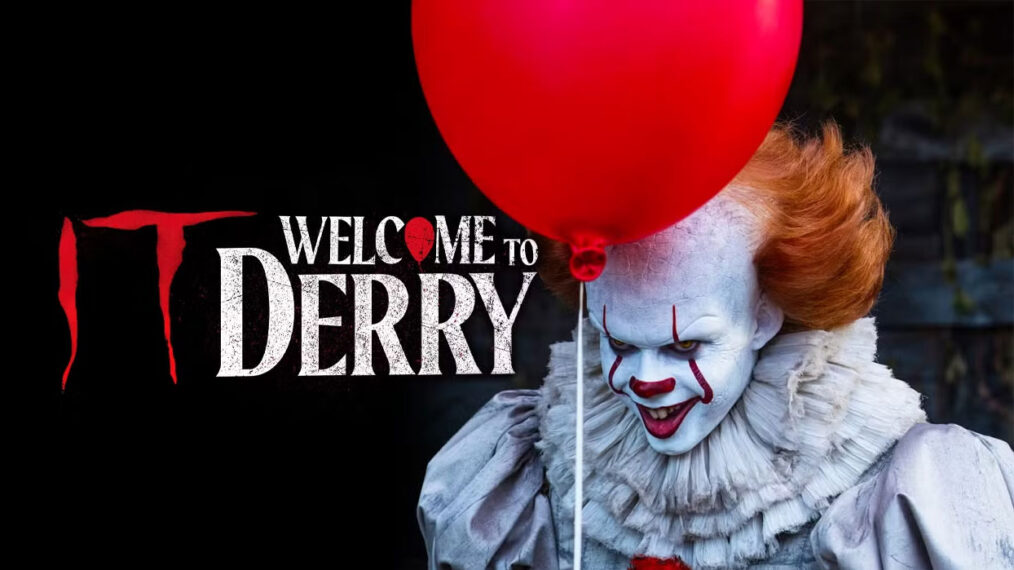
Setting the Stage: Welcome to Derry, 1962
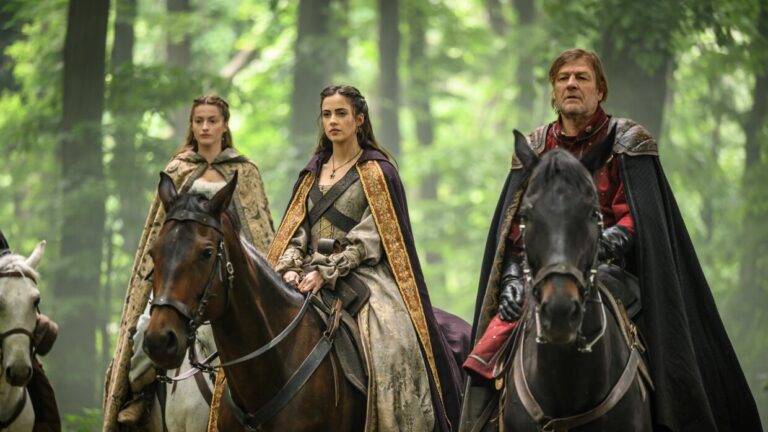
The series kicks open Stephen King’s familiar door, but it gently nudges viewers back in time, offering a stroll through Derry’s grimy streets years before Pennywise became legend. With HBO’s signature high production values, “Welcome to Derry” radiates both nostalgia and menace. You spot vintage cars and neon shop signs while hearing distant echoes of the civil rights movement — a fresh layer for the Kingverse.
The opening scene alone has reviewers buzzing. According to GamesRadar, it’s a bloodbath — graphic even for modern horror TV. Shockingly, HBO stood behind the show’s vision, even when it threatened network boundaries. (“I thought, ‘They’re not gonna let us air this,’” the director admitted.) Such bold choices set the tone: this isn’t just a reheated ’80s fright-fest.
Critical Pulse: Split Right Down the Middle
So, how’s it landing with the critics? The numbers paint a complex portrait. Right now, Rotten Tomatoes clocks the show at a solid 77%, hinting that most critics walked away entertained, if not outright thrilled. But then, Metacritic balances the hype with a cool 58/100. Not bad, not outstanding — just somewhere in the murky middle. The consensus seems to be that “Welcome to Derry” dares to dive deep, but sometimes loses its footing in the process.
The initial wave of professional criticism digs into both the innovation and missteps. Some shout from the rooftops about the boldness, the sharp casting, and the palpable dread. Others, though, seem almost crestfallen, pausing over episodes that feel stretched, CGI creatures that appear rubbery, and characters who, despite all the terror, barely make a dent.
Let’s break down the standouts and stumbles, so you can decide whether Derry’s siren song will lull you to sleep or keep you wide-eyed, double-checking your basement after midnight.
The 3 Big Pluses: Why You Might Want to Visit Derry
- Expanded Lore & Cultural Substance
Here’s something to sink your teeth into: “Welcome to Derry” doesn’t settle for easy scares. Critics broadly agree that the creative team yearned to do more. The narrative reaches beyond Pennywise’s teeth to tackle the roots of the town’s decay — even using the period backdrop to explore deeper social issues from the 1960s. Cinemablend points to these bits as genuine highlights, bringing a layer of realism and relevance. You’re not just watching people run from a clown; you’re seeing America’s monsters, real and imagined, at war.
- Commanding Performances Elevate Stakes
Jovan Adepo and Taylour Paige, among an ensemble, seize the script’s scarier and more sorrowful moments with both hands. Their faces carry dread, panic, and hope — sometimes in the same scene. Reviews frequently mention how these professional, fully-committed performances help ground even the more bizarre story beats. With their energy, you’re more invested in the humans than the horrors for once.
- Atmospheric Horror, Start to Finish
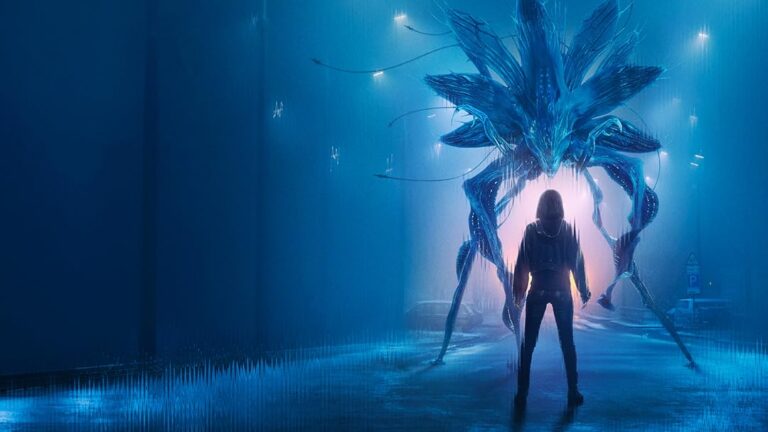
HBO didn’t cheap out on the visuals. At its best, “IT: Welcome to Derry” looks stunning. Every fog-shrouded alley, flickering streetlamp, and blood-spattered balloon feels straight out of a fever dream. Old-school King fans and new ones can both appreciate that dense, creeping sense of dread. Rotten Tomatoes critics honed in on this: even in slower moments, the background hums with threat.
The 3 Major Minuses: Places Where Derry Stumbles
- Overuse of CGI Effects
Now, not everything lands. For every visually inventive nightmare, there’s a weirdly shiny monster that pulls you out of the moment. Several critics gripe about the heavy CGI; GamesRadar calls it distracting. When digital effects overwhelm the screen, the tension dissolves. You know you’re watching a cartoon, not lurking evil.
- Sluggish, Uneven Pacing
Another complaint echoes throughout reviews: the show just drags sometimes. Certain episodes linger too long, repeating story points or tension-building devices. That means the monstrous ‘what’s next?’ can get lost in the slog. RogerEbert.com laments the narrative bloat, so be ready to sit through more than one slow burn.
- Underwritten Child Characters
It’s hard to terrify viewers when the people in peril don’t pop off the screen. While adult characters earn a measure of depth, the younger cast — usually King’s bread and butter — sometimes feels like window dressing. Without emotional anchors, the stakes for these kids become hard to care about, particularly for series newcomers.
What Keeps Fans Talking?
Even with these flaws, the world’s drawn back to Derry for a reason. Whether it’s the nostalgia for King’s universe, a love of gorgeously rendered small towns with big secrets, or that perennial craving for stories about our darkest fears, the draw is real. Every week, another episode lands and sparks a rush of think pieces, Twitter threads, and conversations at water coolers — or, more likely, dimly lit living rooms.
Critics find themselves divided. Some embrace the series’ ambition, noting that it’s far braver in theme and character study than typical horror fare. Period details add texture. The shadow of real-world problems outside Derry (racism, inequality, social change) mirrors Pennywise’s supernatural threat. And although nostalgia lurks at every corner, the show veers into new territory more often than not.
But then, other reviewers remain unconvinced. They sigh over the lack of urgency, the way horror sometimes melts into melodrama. They want more bite, less bluster, and children they truly worry for. And, as with so many genre shows, the reliance on so-so digital monsters undermines the careful world-building. Yet not many dismiss “Welcome to Derry” as totally boring; even the harshest voices admit it has moments that chill.
Reactions Across the Board
In recent coverage, critics clash and compare notes. Cinemablend’s October 22 review leans positive, seeing promise and a willingness to take chances. GamesRadar’s coverage digs into that unmissable opening scene — a network-sanctioned burst of blood and terror — which many commentators see as a statement of intent. This show wants to push boundaries, full stop. But boldness doesn’t always save a series from its slower hours.
Final Thoughts: Should You Watch, Or Will You Fall Asleep?
All horror is subjective. Some viewers crave quiet buildup; others want jump scares every ten minutes. “Welcome to Derry” often shoots for both and hits… sometimes. Critics celebrating its scope and atmosphere want it to keep going, maybe even get weirder. Skeptics hope the show figures out its pacing and remembers what’s scary about kids versus cosmic clowns.
For King fans, the extra layers of lore and meaning may well be enough to stay invested. If you love fresh takes on classic horror and enjoy seeing new actors crack under pressure, you’ll likely be transfixed. But, if you need tight plotting and truly sharp, emotionally resonant characters — especially the kids — this one might test your patience. The careful, slow-burn approach could lull some into drowsiness.
Verdict: IT: Welcome to Derry (2025) BRNG?
Scoring with both heart and head, “IT: Welcome to Derry” lands at a 6.9/10 on the boredom scale. The lore runs deep and the shadows grow thick, but pacing and character flaws dilute the impact. It’s sometimes thrilling, occasionally tedious, and always atmospheric. Not the most boring show you could find, but it won’t haunt every viewer’s dreams. If chilling period horror tickles your fancy, give it a shot — but don’t be shocked if your attention wanders when the circus music fades.