

Vecna didn’t arrive in Stranger Things Season 4 as a faceless monster. Instead, the show used the season’s two-part structure to peel back his identity in layers. By the time Netflix dropped the finale, viewers had a name, a human history, and a clear link to the series’ earlier villains.
Most importantly, the series ties Vecna directly to Hawkins’ darkest secrets. Season 4 reveals that Vecna is Henry Creel, and also Subject 001 (“One”), the first child in Dr. Martin Brenner’s program. That’s a major shift from how the show presented the Upside Down threats in earlier seasons. It reframes Vecna as both a creature and a product of the Hawkins Lab story. (Time)
Season 4 also arrived at a time when the franchise was dominating the conversation. Netflix released Volume 1 on May 27, 2022, and Volume 2 on July 1, 2022. Those dates matter because the series spread Vecna’s answers across both drops. (Netflix Tudum)
Below is the clearest, fact-based explanation of who Vecna is, how Season 4 reveals his backstory, and what the finale adds to the larger mythology.
Season 4’s release structure shaped the mystery
Netflix didn’t deliver Season 4 in one sitting. Instead, it split the season into two volumes. Netflix confirmed Volume 1 premiered May 27, 2022, and Volume 2 premiered July 1, 2022. (Netflix Tudum)
That release strategy affected how viewers learned about Vecna. Volume 1 establishes him as a new threat haunting Hawkins. Then, as the season continues, the story pivots from “what is Vecna?” to “who is he?” The answer lands as the season’s flashbacks deepen.
The split also helped fuel the show’s massive audience momentum. Netflix said that by June 14, 2022, Season 4 had passed 781 million hours viewed since the May 27 debut. Forbes reported that number and noted Netflix framed it as a major benchmark for its English-language series. (Forbes, June 14, 2022) NME also reported Netflix’s figure of 781.04 million hours viewed around that same period. (NME)
Meanwhile, Nielsen data offered another lens on the surge. Forbes reported that for the week of May 23 — May 29, audiences watched 5.1 billion minutes of Stranger Things on Netflix. The report also said 4 billion minutes came from the new Season 4 episodes. (Forbes, June 6, 2022)
Those numbers explain why Vecna became a constant search term. Millions of people were watching at the same time, and the show deliberately held back key answers until late.
The big reveal: Vecna is Henry Creel, tied to Hawkins’ oldest tragedy
Season 4 ultimately confirms that Vecna has a human origin story. Time’s breakdown of Season 4’s reveals identifies Vecna as Henry Creel, and also as One, the first numbered subject in Dr. Brenner’s program. (Time)
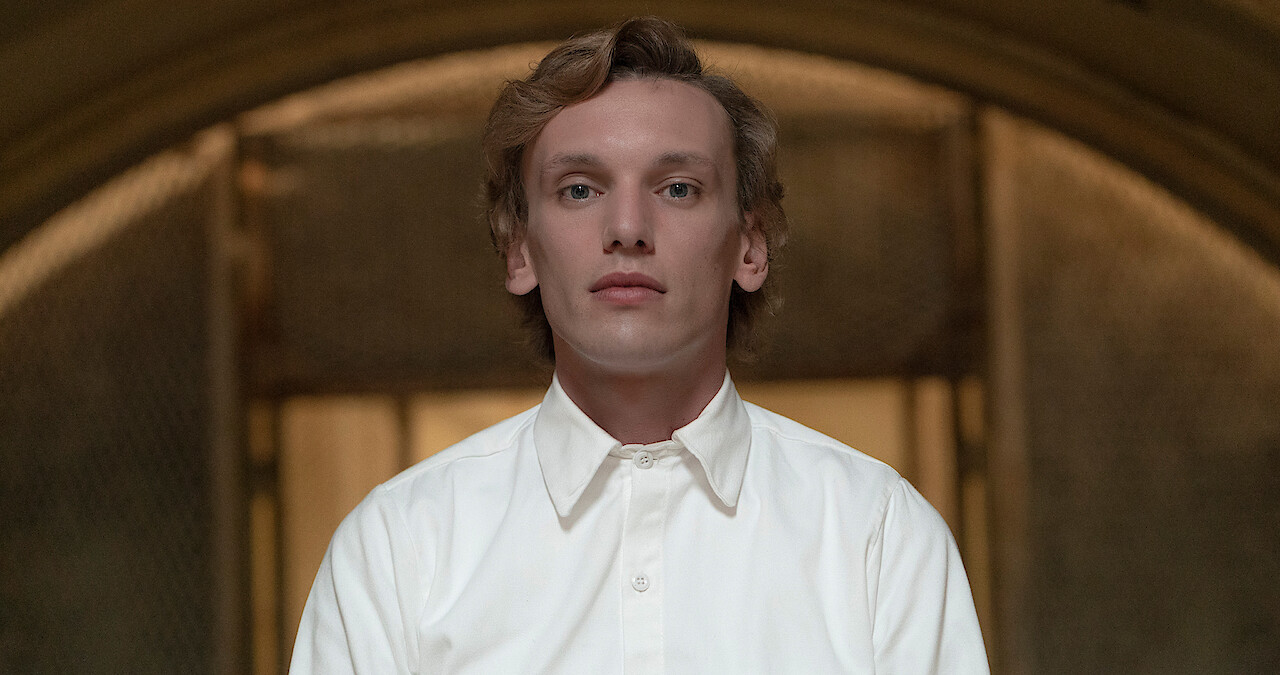
That identity also connects Vecna to one of Hawkins’ most disturbing events. Entertainment Weekly’s recaps and coverage connect the villain’s backstory to the massacre at Hawkins National Laboratory, with the orderly “Peter” revealed as One. (Entertainment Weekly)
This matters because it ties together several threads at once. Vecna isn’t just a monster from the Upside Down. He’s a character rooted in Hawkins’ real-world institutions, specifically Brenner’s lab. In other words, Season 4 positions Vecna as the show’s most personal villain so far, because his story intersects directly with the people and places that shaped Eleven’s life.
As the season builds, the series presents these facts through flashbacks and escalating revelations, rather than a single exposition dump. That choice keeps the suspense intact. It also makes the final answer land harder, because the audience has watched the pieces assemble.
Subject 001: how Henry Creel fits into Brenner’s program
The show’s twist doesn’t stop at “Henry Creel.” It also identifies him as Subject 001, the first in the lab’s numbering system. Time explicitly connects Vecna to that identity, framing him as Brenner’s Number One. (Time)
From a story standpoint, that detail does two things. First, it clarifies that Henry’s powers are not random in the world of Stranger Things. They sit inside the same experimentation storyline that produced Eleven’s abilities. Second, it explains why Vecna seems to understand the mind and emotional pain so well. Season 4 depicts him as a predator who weaponizes trauma, and the “lab origin” gives the show a framework for why he’s so capable.
Entertainment Weekly’s coverage of the lab storyline reinforces this connection. It places One at the center of the Hawkins Lab history, and it ties his presence to the lab’s most notorious violence. (Entertainment Weekly)
Because those points are established in reputable reporting and episode recaps, they also give a clean factual spine for any viewer catching up late. If you remember Brenner and the numbered children, Season 4’s message is blunt: the villain sits inside that same system, and he was there first.
The Upside Down connection: the finale links Vecna to the Mind Flayer’s form
Season 4’s ending doesn’t just explain Vecna’s past. It also re-contextualizes the show’s earlier mythology. Entertainment Weekly reports that the Season 4 finale shows Vecna shaping a swirling black cloud into the spider-like form associated with the Mind Flayer. The coverage also notes his long-standing fixation with spiders as a key piece of that visual and thematic connection. (Entertainment Weekly)
That’s a big deal for longtime fans. For years, the Mind Flayer represented a towering, seemingly ancient force behind the Upside Down. Season 4 adds a new layer, showing Vecna’s influence on what the Mind Flayer “looks like,” at least in that spider-like configuration. (Entertainment Weekly)
Jamie Campbell Bower, who plays Vecna, also discussed that reveal publicly. Entertainment Weekly reported that he described the disclosure that Vecna “created” the Mind Flayer shape after encountering the particle cloud in the Upside Down. (Entertainment Weekly)
The careful way to phrase what the finale shows is this: Season 4 depicts Henry encountering a dark, swirling particle entity in the Upside Down, then shaping it into the spider form. That connects him directly to the iconography of the Mind Flayer, and it reframes earlier seasons through Vecna’s lens. (Entertainment Weekly)
Where the answers appear: Volume 1, Volume 2, and the long finale
If you’re guiding readers toward the exact portions of Season 4 that matter, Netflix’s own release details help keep it precise. Netflix described Season 4 as two volumes, with seven episodes in Volume 1 and two episodes in Volume 2. (Netflix Tudum)
The runtimes also signaled that Netflix wanted the ending to play like an event. TechRadar reported the Season 4 finale, “The Piggyback,” runs 2 hours and 19 minutes, citing the writers’ account. (TechRadar) Elsewhere, Elle reported Episode 8 clocks in at about 1 hour and 25 minutes. (Elle)
Those specifics matter because Vecna’s backstory isn’t delivered in a quick recap. The show spends time on it. It uses long sequences, flashbacks, and reveals that reward viewers who follow the breadcrumbs.
How Vecna became “Vecna” on screen: seven-hour prosthetics and practical design
Vecna’s origin story is lore-heavy, but there’s also a simple reason the character feels so physical. The show used extensive practical effects.
A January 2026 piece quoted prosthetic designer Barrie Gower saying Jamie Campbell Bower wore 25 overlapping prosthetics, and the daily application took about seven hours. (New York Post, Jan. 7, 2026)
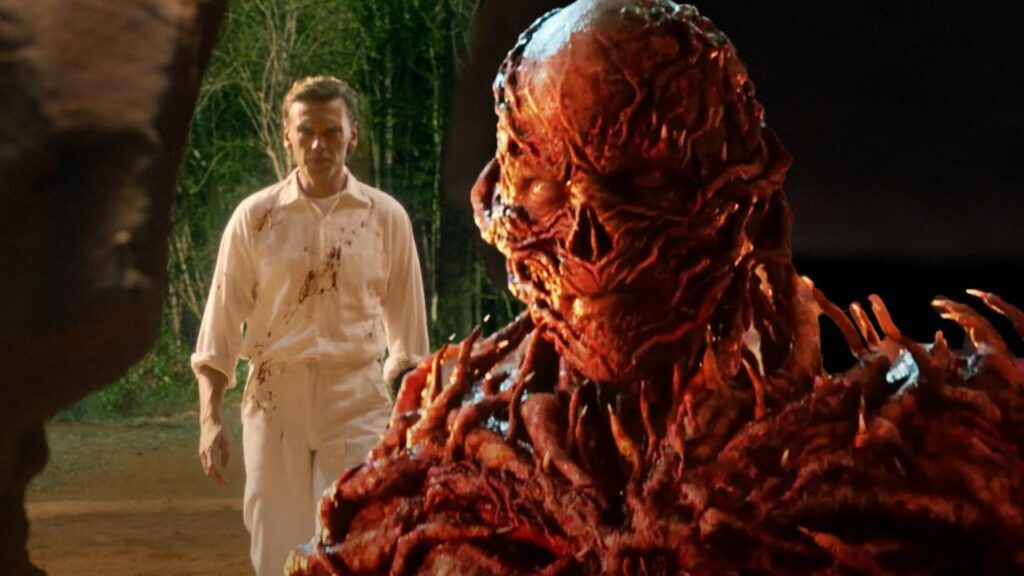
That detail also helps explain why Vecna’s performance looks unusually grounded for a supernatural villain. When a character is built with that level of practical makeup, the actor can act through the material instead of being replaced by a digital double.
The same January 2026 report describes changes made for the “final season” look, including re-sculpting and adding charred elements, while still keeping practical prosthetics central to the design. (New York Post, Jan. 7, 2026) Even without getting ahead of the show’s future plot, that’s a concrete, verified sign that Vecna remains important to where the franchise is heading.
Why Vecna questions resurfaced again in early 2026
Even though Season 4 premiered in 2022, Vecna’s identity has stayed in circulation. In early 2026, part of that is tied to discussion around expanded Stranger Things storytelling.
Entertainment Weekly reported on behind-the-scenes conversation involving “Stranger Things: The First Shadow,” including Jamie Campbell Bower discussing a rejected idea tied to Joyce and Henry’s shared history. The report also quoted Ross Duffer explaining they were cautious about confusing viewers who haven’t seen the play. (Entertainment Weekly)
A separate January 2026 entertainment report also framed this concern in practical terms. It described why certain connections could confuse viewers unfamiliar with the stage production. (New York Post, Jan. 2, 2026)
Good Housekeeping, in a play-to-series explainer, notes that The First Shadow is set in 1959 and centers on Henry Creel, positioning it as additional backstory that complements Season 5 context. (Good Housekeeping)
For a Season 4-focused reader, the important point is straightforward. Season 4 already provides the essential answer: Vecna is Henry Creel and Brenner’s Number One. (Time) Later tie-ins may add context, but you don’t need them to understand the Season 4 reveal.
What to remember about Vecna’s origin heading into the next chapter
If you haven’t revisited Season 4 in a while, the facts are clean and consequential.
Vecna is not just an Upside Down monster. Season 4 reveals he is Henry Creel, and also Subject 001, the first test subject under Dr. Martin Brenner. (Time) Entertainment Weekly’s coverage further ties him to the Hawkins Lab massacre storyline, reinforcing his central place in Hawkins’ history. (Entertainment Weekly)
Then, the finale widens the lens. Season 4 depicts Vecna shaping a dark particle cloud into the spider-like form associated with the Mind Flayer. That scene links him to the franchise’s most recognizable villain imagery. (Entertainment Weekly)
Finally, the character’s staying power isn’t only about plot. The show’s makers built Vecna with heavy practical work, including 25 overlapping prosthetics applied over about seven hours each day, according to prosthetic designer Barrie Gower. (New York Post, Jan. 7, 2026)
Sources (from the prior fact pack)
Time; Netflix Tudum; Entertainment Weekly; Forbes; NME; TechRadar; Elle; New York Post; Good Housekeeping.