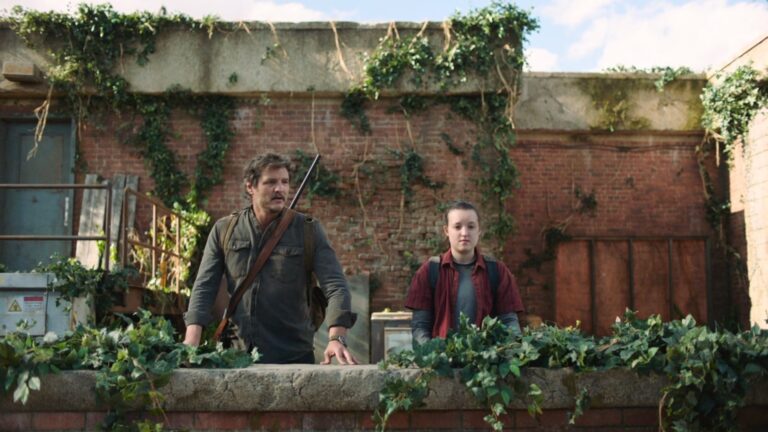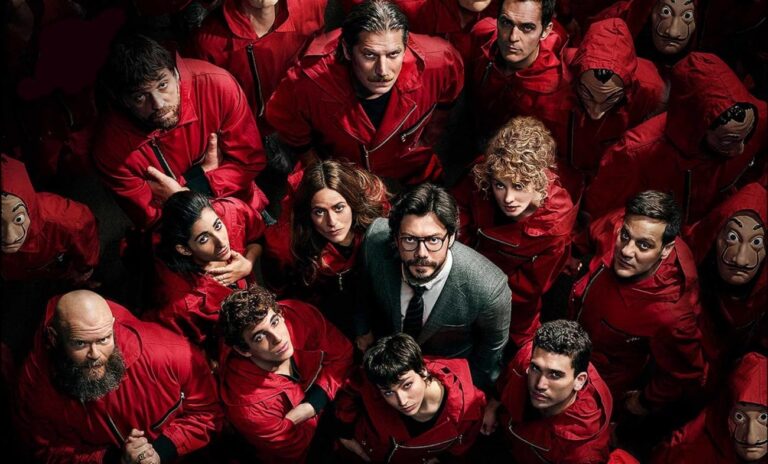

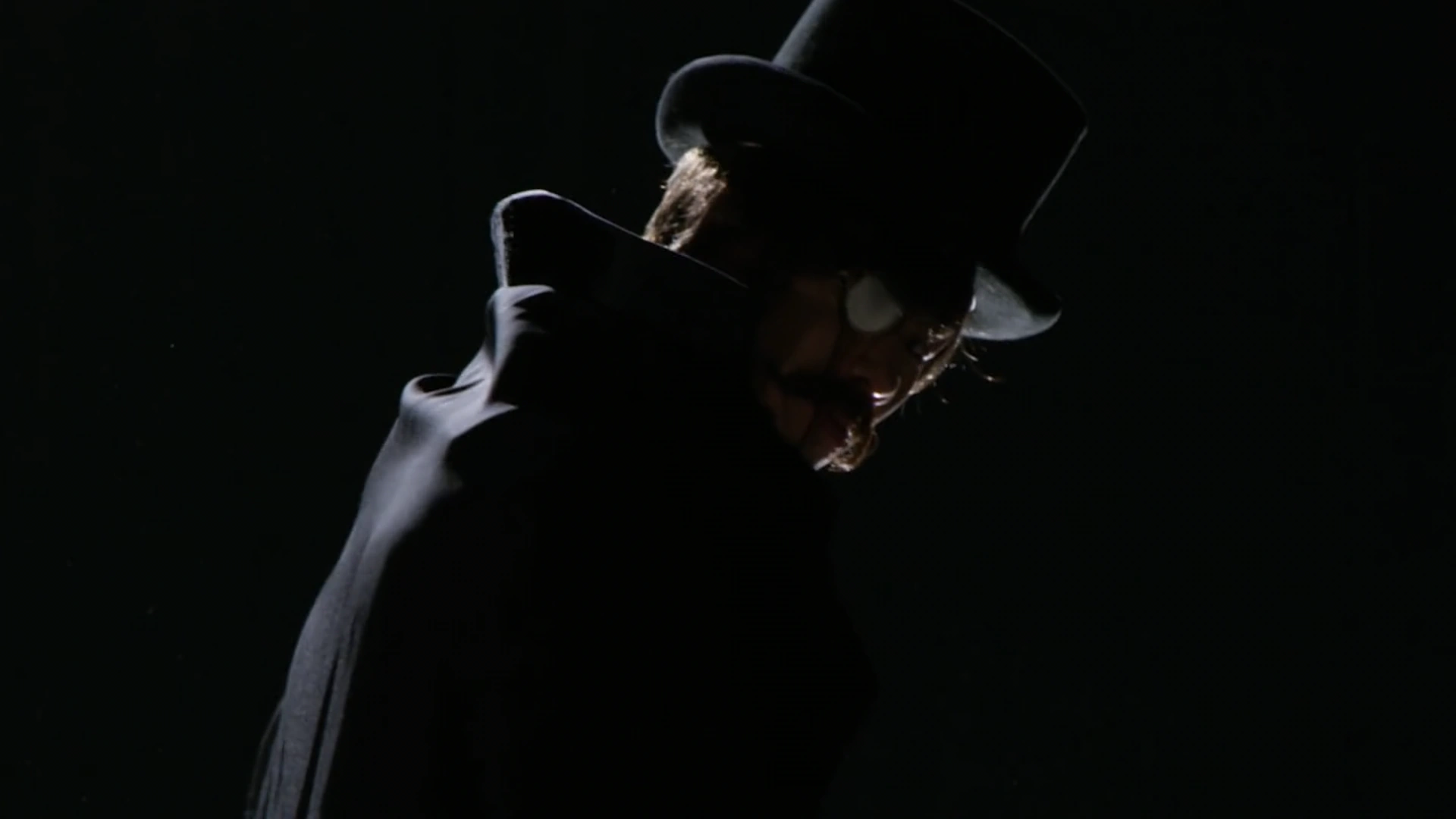

Let’s track the gentleman thief’s glittering trail
Hope you left your umbrella at the door, because we’re stepping straight into the swirl of Netflix’s Lupin — the Parisian whirlwind, and an internet sensation with a dash of literary panache. Every twist, every daring escape, every sly wink goes way, way back. And we’re here to spill the real tea on precisely where this velvet-gloved caper found its legs: the riotous, suave, and ever-inventive novels of Maurice Leblanc. Time to pull the curtain back, crack our knuckles, and get into what exactly “based on” means when you’re talking about a dashing burglar who makes trickery look tres chic.
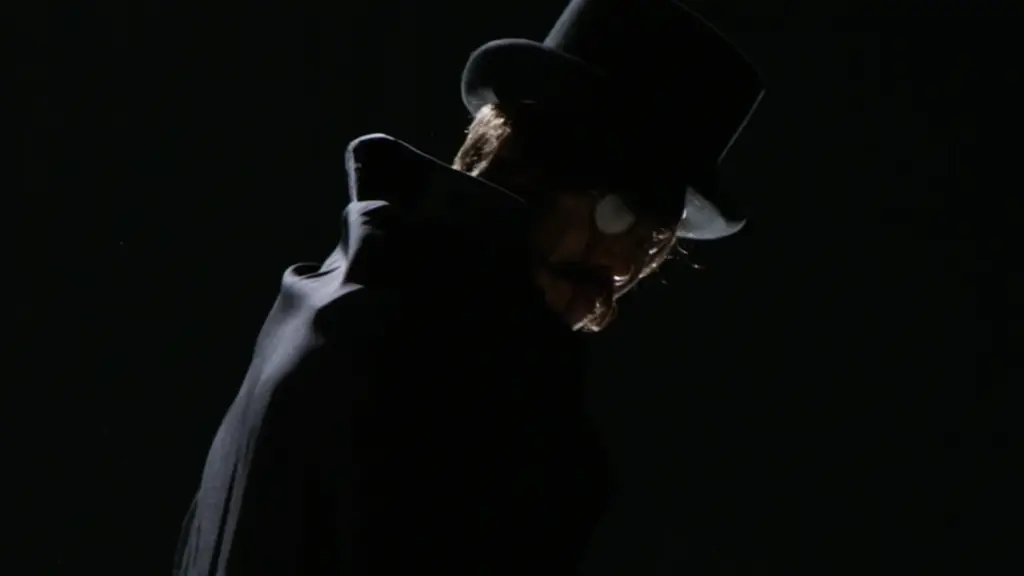
Maurice Leblanc, the true puppet master
First, let’s size up our literary culprit. Maurice Leblanc didn’t just create Arsène Lupin. He minted the very concept of the “gentleman burglar” back in 1905, dazzling readers of Je sais tout magazine. Sure, Sherlock Holmes prowled the foggy streets of London, but Lupin glided through Paris, pocketing jewels and hearts alike. The first Lupin story, “The Arrest of Arsène Lupin,” thrilled its way into serialized glory before popping up in the first collection, Arsène Lupin, Gentleman Burglar, in 1907.
It didn’t stop there. Leblanc pushed out 17 full novels and 39 novellas, fiercely serialized and then bundled into 24 volumes over four decades. That’s a lifetime of heists, clever aliases, and eyebrow-raising escapes. Imagine binging a century of stories before Netflix even flickered to life. Now, toss in a quirky footnote — a lost Lupin tale, The Last Love of Arsène Lupin, found after Leblanc’s death and published in 2011. That fancy twist alone feels like something Lupin would have orchestrated himself!
What’s in those pages? A toolkit for tricksters
So, what ingredients made Lupin’s literary cake rise? Heists, of course. But also…
- Gleeful disguises that tip the hat to theater and the circus ring.
- Layered anagrams — like “Paul Sernine” and “Luis Perenna”—that disguise identity with delightful mischief.
- Unforgettable rivals, especially Inspector Ganimard, who never quite catches his man.
- And let’s not skip the legendary “Herlock Sholmes”—Leblanc’s utterly cheeky riff on Sir Arthur Conan Doyle’s own detective.
These tales, bristling with disguises and puzzles, became both a Parisian badge of honor and a worldwide literary passport.
Enter: Netflix’s modern magic
Slide into the present, and Netflix didn’t so much adapt Lupin as remix him, drop the beat, and toss him into today’s swirling Paris. Our new hero, Assane Diop, rocks the Lupin mythos with finesse. Played by Omar Sy, Assane isn’t literally Lupin — he’s Lupin’s obsessive fan, his contemporary heir, and, often, a living, breathing meta-reference. The clever switch: instead of telling yet another story about the original Lupin, the series explores what happens when a regular kid falls in love with the legend and then decides to become Lupin, page by page, con by con.
The series, dreamed up by creators George Kay and François Uzan, makes Paris into its personal playground. And they don’t just nod to books — they practically waltz with them, dusting every episode with “Easter eggs” for those in the know. Part 3 even ends with Assane reading Lupin books right there in his cell — a visual mic drop, if ever there was one.
Nods, winks, and literary high-fives
What’s really wild is how many direct threads the show pulls straight from Leblanc’s web of stories. Let’s run down just a few of the sharpest needles:
- The Louvre job? That sparkling Marie Antoinette necklace adventure is lifted directly from the book story “The Queen’s Necklace.”
- Assane loves a good alias, especially “Paul Sernine” and “Luis Perenna.” Both are anagrams dreamt up by Leblanc, now slid into modern Parisian high society.
- Detective Youssef Guédira, always three steps behind, is our twenty-first-century Ganimard — lovably obsessed, smart, and never quite quick enough.
- Numbers have flavor, too. “813” pops up on burner phones and as an operation name, referencing another Lupin novel (and an actual anagram reveal in Leblanc’s chapters).
- Remember that episode where the whole show slides to Étretat? The showrunners use the entire town as a set piece. In the novels, that seaside stretch is the legendary stage of The Hollow Needle — also, by no coincidence, the town where Maurice Leblanc himself once lived.
- The chess match between thief and cop? That’s Leblanc’s DNA, echoing his playful, even competitive, nods to Conan Doyle. They didn’t shoehorn “Herlock Sholmes” in, but the flavor’s unmistakable.
Lupin’s Paris: less glitter, more grit
While the novels twirled through high society balls, cathedrals, and shadowy back alleys, the TV series loves to balance showy Parisian landmarks with the everyday hum. We see the Louvre, of course, but also the Pont des Arts, the iconic Jardin du Luxembourg, the teeming Marché aux Puces, and the tight-knit Parisian suburbs where Assane’s family history cuts deepest. Creators said right out loud they wanted their Paris messier, grittier, and much more personal — without losing the magic.
And when Assane heads to Étretat, Netflix’s camera absolutely eats up the chalk cliffs and that Pointed Needle rock, a literal page torn from The Hollow Needle. Physical places become breadcrumbs for both new and seasoned fans.
A classic con with a modern filter
Show creator George Kay went on the record plenty. He said: keep the spirit mischievous, tactile, and physical. The tech in Lupin rarely drifts into sci-fi territory. You see phones and cameras, sure, but most of the action stays refreshingly analog — disguises, keys, old books, classic sleight-of-hand. None of that Bond gadget overload. The puzzles are brainy, not digital.
But Kay and team weren’t content with mere nostalgia. They slid in a layer of serious themes — race, social class, ageism, the colonial legacy wound through France’s art and treasures. Assane’s own life story — a first-generation son who bends and breaks the system that once broke his father — invites real and necessary conversations. Viewers who want to look closer find a richer text in every slick escape.
The show isn’t a straight adaptation — and that’s the magic
Here’s a detail fans drool over: Netflix’s Lupin doesn’t try to just repackage the early 1900s tales. Instead, it soaks up the mythos, then lets Assane, an ordinary fan, remix it for the modern world.
- Assane devours Lupin stories as a kid, using those blue covers as a guide for every risky scam.
- Flashbacks build the legend — the books literally open on screen.
- Plots steal not just from the headlines, but directly from Lupin’s book escapades.
The show is a love letter to every superfan who grew up wishing they could be the hero on the cover.
Global impact and a history of adaptation
Let’s not leave out the global view. Lupin burst onto Netflix in January 2021, quickly smashing into 70 million households. Now, with Part 3 closing out in October 2023 — and Part 4 bubbling in production through 2025, per official Netflix press communications — the show stands tall as one of France’s biggest exports since baguettes and berets.
This is no flash in the Parisian pan. Lupin boasts a sprawling adaptation record:
- A black-and-white Lupin hit French TV from 1971 to 1974.
- Japan cooked up its own (hugely popular) Lupin III manga and anime in the shadow of Leblanc’s legacy.
- Leblanc’s books sell briskly, popping up in Penguin Classics and modern translations, all touting their Netflix connection.
So, when you see Assane’s sly smile or a camera lingering on a dog-eared volume of Gentleman Burglar, you’re looking at a living, breathing century of pop-culture misrule.
Aliases and anagrams: the in-jokes stacked high
Leblanc always loved a good inside joke, and the show’s writers sure grabbed that flavor by the lapels. Every time Assane checks into a hotel as “Paul Sernine” or cracks a code using “813,” that’s the literature leaking directly onto the screen.
Don’t forget the “Herlock Sholmes” beat. While Netflix’s world dodges copyright headaches by avoiding an actual Holmes cameo, you can practically hear Leblanc chortling. In the show, the thief-vs.-detective games get sharper, and the mutual respect (and irritation) builds with every chase.
Just how bookish is Assane, anyway?
Quick answer: extremely. At almost every crisis, Assane reaches for his Lupin book. It’s half-playbook, half-comfort object. That shot (in Part 3’s last scenes) of Assane in prison, surrounded by well-loved Lupin volumes, says it all. The books don’t just inspire him — they are his secret map, his anchor, his north star.
Not one line, one twist, or one trick lands in the show without that weighty, winking context — the reader’s thrill of recognition and the newcomer’s delight at discovery.
Where the story goes from here: The next caper awaits
Let’s wrap this little dossier up but leave the safe open. With Part 4 deep in production as of October 2025, Netflix isn’t finished riffing on Maurice Leblanc’s master thief. Book sales keep rolling. Paris finds new corners to reveal. The legend keeps leaping into the now with every daring leap and every sly disguise.
And you? Next time Assane slips through a crowd, or that theme song drops a moody bassline, remember: it all begins with a paperback from 1905, a wild imagination, and a master key stashed inside a hollow needle. The gentleman thief lives — through every rebirth and every bookshelf.
So, what will Lupin borrow next? Only the shadow knows. And Paris, still, always, belongs to the ones who read between the lines.