
When Netflix dropped the first volume of Stranger Things season five on November 26, 2025, something familiar happened. Kate Bush’s “Running Up That Hill (A Deal With God)” surged again, nearly forty years after its 1985 release and three years after its first Stranger Things‑driven comeback.
People did what they always do now. They grabbed their phones, opened Shazam or Google, and essentially typed a version of the same question:
> “What song was in Stranger Things tonight?”
That reflex is no longer a niche behavior. It is how hundreds of millions of viewers interact with television, and it is quietly reshaping how songs become hits.
Landman‑style episode guides sit right inside that cultural shift. To understand why they matter, it helps to look at the numbers behind TV soundtracks, and at how often a well‑placed song turns into a global story.
Streaming Economics and the Growing Power of Sync
First, the money.
According to the IFPI Global Music Report summarized in March 2025, recorded music revenues hit about $29.6 billion in 2024 worldwide. Roughly $20.4 billion, or 69%, came from streaming. Paid subscriptions grew almost 10% year over year, reaching 752 million global subscribers.
Synchronization licensing, the part of the business that covers songs in TV, film, games, and ads, looks small beside those figures. IFPI data places sync revenue around $632 — 650 million in 2023 — 24, roughly 2.2% of global recorded music income. A broader market estimate that includes more types of sync puts the sector at $6.8 billion in 2024, with forecasts near $12.9 billion by 2033.
So sync is a modest line on a label’s balance sheet. Yet the individual placements behind that line often trigger eye‑popping spikes in streams, Shazams, and searches. That is where TV soundtracks punch above their weight.
Shazam, Tunefind, and the “What Song Was in That Scene?” Habit
The infrastructure for that behavior is now huge.
Apple’s Shazam, which started as a phone‑in service for identifying songs, passed 100 billion song recognitions in November 2024. Apple executives noted that Shazam serves over 300 million monthly active users. In other words, a population nearly the size of the United States regularly points a microphone at music and asks what it is.
On December 11, 2025, Shazam added a new feature called Popular Segments. It highlights the exact section of each track that generated the most Shazam activity in the past week. That does more than show which hook people like. It tells us which moment of a song people heard in the wild and tried to identify, often during a TV scene.
Alongside Shazam, there is Tunefind, which has quietly become the episode guide of choice for soundtrack hunters. Tunefind, now owned by Songtradr, catalogs music used in TV shows, films, and games. The company says millions of people visit each month, usually with a simple question: “What song is playing?”
Tunefind’s data feeds directly into Billboard and The Hollywood Reporter’s Top TV Songs charts. Those rankings combine:
- Tunefind’s episode‑by‑episode placement data
- Shazam tag counts for each song
- U.S. sales and streaming figures from Luminate (formerly Nielsen)
Essentially, the chart measures which TV placements sent the biggest wave of viewers to their phones and streaming apps that month.
In Tunefind’s 2023 rankings, Grey’s Anatomy came out as the top TV show for sync activity, nearly twenty years into its run. In 2024, Love Island took the top spot, with The Bear, Yellowjackets, Sex Education, and others crowding the top ten. That is a data‑driven list of which shows most reliably spark “what song was that?” behavior.
When TV Revives Old Songs: From Kate Bush to Milli Vanilli
Some of the clearest examples of TV‑driven discovery come from very old songs.
The Kate Bush / Stranger Things effect
When Stranger Things season four hit Netflix on May 27, 2022, Kate Bush’s 1985 single “Running Up That Hill” anchored one of the season’s key emotional arcs. Spotify reported that global streams of the song jumped 8,700% between May 26 and May 30. In the United States, the increase reached 9,900%.
By late May, the song sat at No. 2 on Spotify’s U.S. Top 50 and No. 4 on its Global Top 200. It climbed to No. 1 on the UK Singles Chart, giving Bush the longest gap between UK No. 1s for a solo artist and making her the oldest woman to top that chart.
Industry coverage estimated Bush earned about $2.3 million in streaming revenue in 2022 from the renewed popularity. The track crossed 1 billion Spotify streams in June 2023. After season five used the song again in 2025, People magazine reported another 153% streaming increase, pushing the total past 1.5 billion streams.
A mid‑1980s single turned into a current global hit twice, almost entirely because of TV placement.
Linda Ronstadt and Depeche Mode in The Last of Us
HBO’s The Last of Us repeated the pattern with a different era of catalog.
Episode three, titled “Long, Long Time,” aired January 29, 2023. It used Linda Ronstadt’s 1970 ballad of the same name as a core emotional motif. In the hour after the episode aired, Spotify reported a 4,900% increase in U.S. streams. Luminate data showed daily streams jumping from under 8,000 to almost 149,000 within two days, a 1,776% leap. Daily digital sales increased by 13,782%, to over 1,500.
More than fifty years after release, “Long, Long Time” topped three Billboard charts: Rock Digital Song Sales, LyricFind U.S., and LyricFind Global.
The series premiere also ended with Depeche Mode’s 1987 track “Never Let Me Down Again.” Following the broadcast, streams tripled overnight, according to coverage cited in the band’s own discography.
Wednesday, The Cramps, and TikTok
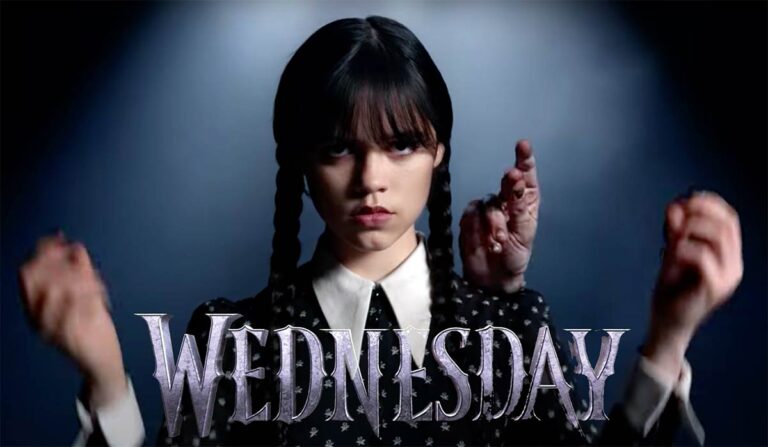
Netflix’s Wednesday offered a slightly different route in November 2022. Jenna Ortega’s now‑famous dance sequence in episode four used The Cramps’ 1981 cover “Goo Goo Muck.”
Before the show, the song logged roughly 2,500 on‑demand streams per day in the U.S. Within five days, that number climbed to 134,000 daily streams, a more than 50‑fold increase. Analytics firm Viberate tracked weekly Shazam tags jumping from 168 to 224,000 and counted about 673,000 Shazams in the weeks after the premiere.
The track also spread via TikTok, where it appeared in about 125,000 videos, tied closely to fan recreations of the dance.
Other catalog comebacks
The list keeps growing:
- Lord Huron’s “The Night We Met” became a multi‑platinum, multi‑billion‑stream hit only after its use in Netflix’s 13 Reasons Why in 2017, despite being released in 2015.
- Snow Patrol’s “Chasing Cars” turned into the most‑played song of the 21st century on UK radio after featuring in the May 2006 season two finale of Grey’s Anatomy. It spent 111 weeks in the UK top 75.
- In 2024, Netflix’s Monsters: The Lyle and Erik Menendez Story revived Milli Vanilli’s catalog. Streams of “Girl I’m Gonna Miss You” jumped from 28,000 to 103,000 in a week, with chart re‑entries in the UK and on Billboard’s TikTok Top 50.
The pattern is consistent. A show airs. A scene lands. Search bars fill with some version of “what song was in [show] season [x] episode [y]?” Streams follow.
TV as Label: When New Songs Break Through Shows
If catalog revivals show one side of the story, shows like Euphoria and The Bear illustrate another. They behave almost like record labels.
Euphoria and original music as event
When Euphoria season two premiered on January 9, 2022, Spotify saw streams of the official soundtrack rise 265% between the premiere and the week before the finale. Fans built over 600,000 Euphoria‑themed playlists, according to Spotify. Composer Labrinth‘s overall catalog streamed 234% more over the same stretch.
Individual licensed tracks saw huge jumps. Sinéad O’Connor’s “Drink Before the War” streams increased 26,900% after episode five. Lesser‑known tracks like “Madonna” by Tarik and “4,5,6” by Big Mali saw increases in the 2,600 — 3,600% range. One analysis of the show’s impact found streaming increases up to 2,316% for featured songs and Shazam spikes near 10,000% in some cases.
The show also pushed original songs into the mainstream. Labrinth’s Euphoria score albums have collectively logged more than 1 billion Spotify streams by late 2025. The song “I’m Tired,” written and performed by Labrinth and Zendaya, earned an Emmy nomination for Outstanding Original Music and Lyrics and charted on the Billboard Hot 100 after amassing tens of millions of plays. “Elliot’s Song,” performed by Dominic Fike and Zendaya, followed a similar path with its own Emmy nod.
In practical terms, an HBO drama acted like a major playlist brand and an A&R department at once.
The Bear and deep‑cut rock
FX and Hulu’s The Bear takes a different route. It leans on long, prominent uses of rock, punk, and soul tracks rather than a single recurring theme. Executive producers Josh Senior and Christopher Storer handle music supervision, filling episodes with everything from R.E.M. and Pearl Jam to Refused, Talk Talk, Mavis Staples, and Nine Inch Nails.
Fans quickly responded. Services like Qobuz now feature curated “As Heard on The Bear” playlists with roughly fifty tracks from the first seasons. Tunefind’s 2023 and 2024 sync rankings place The Bear among the top ten most‑synced shows, and its choices have made their way into the annual Top TV Songs lists. Refused’s “New Noise” and Nine Inch Nails tracks “Hope We Can Again” and “Together” all landed in Tunefind’s top ten TV songs of 2024.
Reddit threads and forum posts around new episodes routinely focus on specific cues. Viewers ask about Talk Talk’s “Life’s What You Make It” or Curtis Mayfield’s “So in Love” within hours of each season dropping. Again, the behavior repeats: episode, then search, then streaming.
Long‑Running Soundtrack Brands: Grey’s Anatomy, Love Island, and The O.C.
Some series have turned music into an identity over many years.
Grey’s Anatomy has named almost every episode after a song title since 2005. Only one episode breaks that pattern, using a domestic‑abuse hotline number instead. Producers have openly discussed how songs like The Fray’s “How to Save a Life” and Snow Patrol’s “Chasing Cars” became emotional shorthand for the show.
That focus helped keep it at the top of Tunefind’s 2023 sync rankings, nearly two decades into its run.
In 2024, reality series Love Island claimed the No. 1 spot on Tunefind’s most‑synced shows list. It uses a relentless rotation of contemporary pop and dance tracks to score villa life, giving frequent short bursts of exposure to many songs instead of long, dramatic cues for a few.
If those feel modern, The O.C. showed the template twenty years earlier. Creator Josh Schwartz and music supervisor Alexandra Patsavas treated indie music as a central part of the show’s identity. They used the fictional venue The Bait Shop to showcase real bands like The Killers, Modest Mouse, and Death Cab for Cutie. The series spawned multiple official soundtrack albums and helped push several acts into mainstream awareness.
Landman, Suits, and the Age of “Library TV” Discovery
This soundtrack culture is not limited to new prestige shows.
In 2023, USA Network legal drama Suits became the most‑streamed TV show in the United States, with 57.7 billion minutes viewed across Netflix and Peacock, according to Nielsen. That surge introduced a new wave of viewers to its theme song, “Greenback Boogie” by Ima Robot, a 2010 B‑side that might otherwise have stayed obscure.
NBC’s upcoming spinoff Suits: L.A., set to premiere February 23, 2025, leans directly into that association by reusing “Greenback Boogie” as its theme. The song has become tightly linked with the franchise in viewers’ minds, even without public streaming‑spike numbers.
Taylor Sheridan’s oil‑patch drama Landman offers a more current example, and it lands directly in BRNG.tv territory.
Season one premiered on Paramount+ on November 17, 2024 and quickly became a flagship title. Trade reports in early 2025 noted that its premiere drew about 35 million global viewers, a platform record. Season two, which debuted November 16, 2025, opened even bigger, with 9.2 million views in its first two days, a 262% increase over the first season premiere.
The show’s music is not an afterthought. UMG Nashville released the Landman Original Series Soundtrack on March 14, 2025, featuring score by composer Andrew Lockington. The label described the score as “honest, raw, exposed, and above all else…human,” mirroring the series’ focus on rough‑edged West Texas oil workers.
As Landman rolls through season two and a newly announced season three, every episode seeds new Landman‑related song searches. BRNG.tv’s detailed music breakdowns plug directly into that demand.
Inside the “What Song Was in…” Culture
Even without search‑engine access to every query, several signs show how widespread this behavior is.
Support pages for Tunefind center on questions like “What song is playing?” and direct users to episode pages where fans help ID tracks. The company notes “millions of people” visiting each month. Entertainment sites regularly frame coverage with headlines such as “What was the song at the end of Euphoria season 2 episode 2?” and then list every cue.
Billboard’s Top TV Songs chart, powered by Tunefind and Shazam, effectively formalizes this. It translates individual Shazam tags and streaming jumps into a ranked list. The number one TV song of a given month is, quite literally, the song that most people rushed to find after watching television.
Shazam’s new Popular Segments feature tightens that loop even further. It does not just tell you which song spiked. It identifies which ten seconds of that song people heard and scrambled to capture. For TV, that usually means a specific needle‑drop over a key scene.
All of this points to the same reality. Every significant show now generates its own micro‑economy of song searches, tags, and playlists, week after week.
What Happens Next for TV‑Driven Music Discovery
Looking toward 2026, several trends seem clear.
First, soundtrack curation is becoming a visible creative job, not a behind‑the‑scenes task. Names like Labrinth, Alexandra Patsavas, and Christopher Storer now appear in interviews and marketing. Their decisions move streaming numbers in the millions.
Second, labels and streamers are coordinating more closely. UMG Nashville’s dedicated Landman soundtrack, Warner and Sony’s catalog pushes around Stranger Things, and official “As Heard On” playlists for The Bear and Euphoria all reflect the same approach. A new episode is now also a coordinated music event.
Third, the data feedback loop is tightening. Shazam’s 100 billion recognitions, its 300 million monthly users, and its new segment‑level analytics give both TV producers and labels real‑time insight into which placements land. The IFPI’s sync revenue numbers are still small compared with streaming subscriptions, but they are growing alongside this richer toolkit.
Finally, audience behavior looks stable. Whether it is a 1980s single in Stranger Things, a 1970 ballad in The Last of Us, or a new score cue in Landman, viewers keep doing the same thing. They hear a song in a scene, then reach for an app or a search bar and type some version of:
“what song was in that show?”
BRNG.tv’s Landman‑style coverage exists because that question is now part of how people watch television. As new seasons roll out, the shows will keep driving music discovery. The only real change is that, with better tools and more detailed guides, it is getting easier to see the impact in real time.